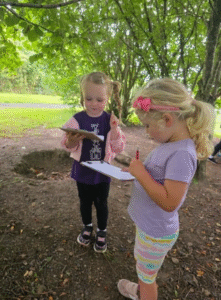
Early phonics is a crucial step in building strong reading skills for preschoolers. It’s all about helping little learners recognise the sounds that letters make, which lays the foundation for reading and writing. But phonics doesn’t have to happen just at a table with flashcards—it can be an exciting, hands-on experience! One of the best ways to make phonics come alive is through a letter hunt in the woods.
Why Early Phonics Matters
Before children can read, they need to understand that letters correspond to sounds. Early phonics instruction gives kids the tools to decode words by recognising these sounds in isolation and in combination. For preschoolers, this learning is most effective when it’s interactive, playful, and connected to their environment.
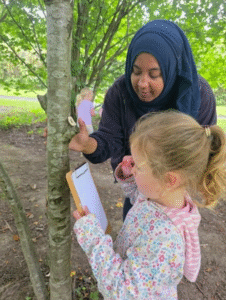
Taking Phonics Outside: The Letter Hunt
Imagine a sunny morning, a group of curious preschoolers walking through the woods with backpacks, eyes wide open, ready for an adventure. Instead of searching for minibeasts or flowers, they’re on a special mission: to find letters!
Here’s how a letter hunt works:
-
Preparation: Before heading out, prepare letter cards—either made of laminated paper, wood, or sturdy cardboard. Each card has a letter printed in big, bold font.
-
Hidden Letters: These letter cards are gently tucked among tree branches, nestled in leaves, or placed near rocks and logs. The goal is to blend the letters naturally into the environment.
-
Hunting Time: The children explore the woods, looking carefully for the hidden letters. When they spot one, they pick it up, say the letter’s name, and make the letter’s sound aloud.
-
Sound Practice: After finding a letter, children might think of a word that starts with that letter sound, making the connection between letter and sound stronger.
Benefits of a Letter Hunt in the Woods
-
Sensory Engagement: Being outdoors stimulates all the senses, which enhances memory and learning. Feeling the bark, hearing birds, and smelling pine creates a rich learning atmosphere.
-
Physical Activity: Moving around helps kids stay focused and engaged. Physical movement is linked to better cognitive function.
-
Contextual Learning: Finding letters in a natural setting helps children understand that letters and sounds are all around us—not just on paper.
-
Social Skills: The hunt encourages teamwork, sharing, and communication as kids help each other spot letters.
Tips for a Successful Letter Hunt
-
Use letters the children are already somewhat familiar with to build confidence.
-
Keep the hunt short and sweet—20 to 30 minutes is plenty.
-
Celebrate each find with cheers and encouragement.
-
Incorporate questions like, “Can you think of a word that starts with this letter sound?”
Wrapping Up the Adventure
After the hunt, gather the children and review the letters they found. Maybe create a story together using those letters or draw pictures of items that begin with each letter sound. This helps solidify their phonics learning through creativity.